

Build Your Outdoor Skills with Pioneering Merit Badge
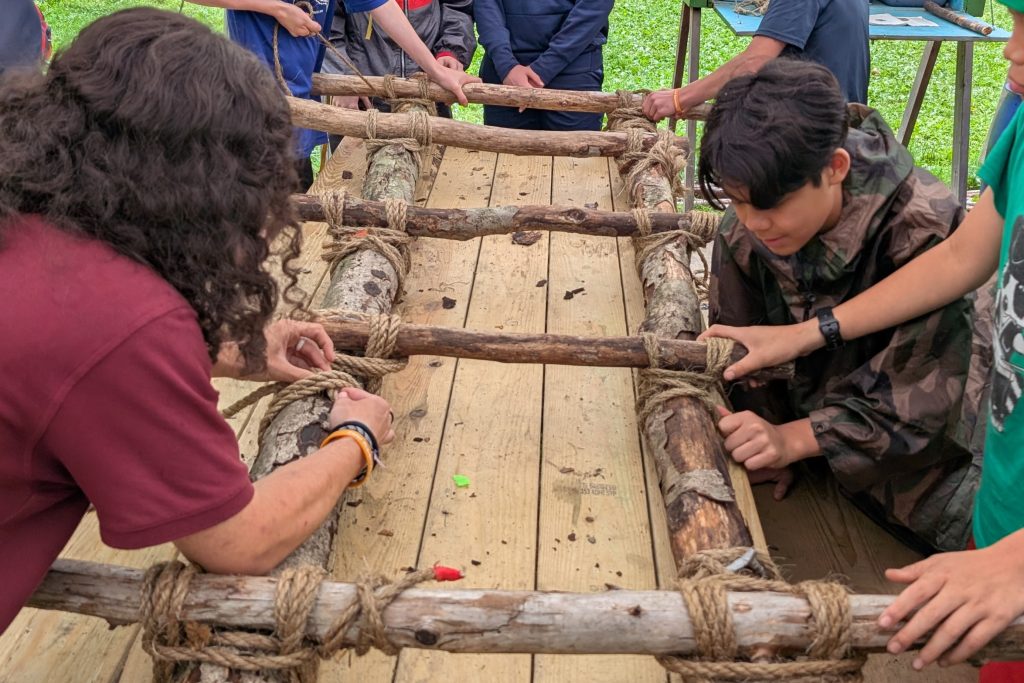
The Pioneering Merit Badge at Camp Sequassen gives Scouts the chance to build practical outdoor skills through hands‑on projects, knot work, and teamwork. This badge challenges participants to think creatively, work carefully, and apply classic Scoutcraft techniques in real situations. In this post, you’ll learn what the badge covers, how the 2026 schedule works, and why it’s best suited for older Scouts who are ready for a rewarding challenge. What the Pioneering Merit Badge Teaches Scouts The Pioneering Merit Badge focuses on ropework, lashings, and building structures using natural materials. Scouts learn essential knots, explore the physics behind rope strength, and practice safe tool use. They also complete pioneering projects such as bridges, towers, or camp gadgets, all of which require careful planning and teamwork. Because the badge emphasizes practical skills, Scouts spend much of their time working with their hands. They learn how to select materials, tie secure lashings, and test their structures for stability. These experiences help them understand how traditional Scoutcraft techniques can be used in real outdoor settings. Pioneering Merit Badge Schedule and 2026 Details In 2026, the Pioneering Merit Badge will be taught in the Scoutcraft Area at 2PM. There are no prerequisites, which means Scouts can complete the entire badge during their week at camp. However, the badge is not recommended for first‑year Scouts. Experience has shown that younger participants often struggle to finish all the requirements due to the complexity and physical effort involved. Older Scouts, on the other hand, tend to thrive. They bring the maturity, patience, and strength needed to complete larger projects and understand the concepts behind them. Signing up for this badge gives them a chance to take on a meaningful challenge that builds confidence and leadership. Why the Pioneering Merit Badge Suits Older Scouts The Pioneering Merit Badge requires problem‑solving, teamwork, and attention to detail. Older Scouts are better prepared for these expectations, and they often enjoy the independence that comes with building real structures. The badge encourages them to think through each step, communicate clearly, and take responsibility for their work. These skills carry over into other parts of camp life. Scouts who complete the badge often feel more capable during high‑adventure activities, troop leadership roles, and future outdoor experiences. The sense of accomplishment that comes from building something sturdy and functional is a highlight of the week. Hands‑On Projects That Bring Skills to Life One of the most exciting parts of the Pioneering Merit Badge is the chance to build something real. Scouts work together to create structures that must support weight, withstand movement, or serve a practical purpose. These projects help them see how knots and lashings come together to form strong, reliable designs. The hands‑on nature of the badge keeps Scouts engaged and active. Each project becomes a shared experience that strengthens friendships and builds teamwork. By the end of the week, participants walk away with new skills and a deeper appreciation for traditional Scoutcraft. Check the Leader’s Guide for the most updated merit badge and program information. Register for camp and learn more at the links below: Registration Scoutcraft Area April 9, 2026 9:40 AM Recent Posts Discover What Makes Camp Sequassen Special Learn Outdoor Skills with the Wilderness Survival Merit Badge Experience the Thrill of Night Climbing at Camp Sequassen Eagle Scout-Required Merit Badges You Can Earn at Camp Sequassen Camp Sequassen Address 791 West Hill RoadNew Hartford, CT 06057 Directions Email Us camp.sequassen@ctyankee.org Phone (860) 379-2009
Take Aim with the Archery Merit Badge at Camp Sequassen

The Archery merit badge is one of the most popular choices at Camp Sequassen, and it’s easy to see why. Scouts learn a blend of skill, patience, and discipline while practicing on a real range under the guidance of trained staff. This post explores what the badge covers, how the 2026 program works, and why signing up early is essential for anyone hoping to earn it during their week at camp. What Scouts Learn While Earning This Badge The Archery merit badge teaches Scouts how to handle a bow safely, shoot accurately, and understand the mechanics behind archery equipment. Requirements include learning range rules, identifying different types of bows, and demonstrating proper shooting form. Scouts also study how arrows are made, how to maintain equipment, and how to score targets correctly. A major part of the badge involves hands‑on practice. Scouts must show consistent accuracy by shooting groups of arrows and meeting specific scoring standards. These requirements help them build confidence and improve their technique over the course of the week. How Archery Builds Discipline and Confidence Archery is a skill that rewards patience and focus. Scouts learn to slow down, breathe steadily, and make thoughtful adjustments with each shot. Because progress is easy to see on the target, participants quickly understand how small changes in posture or grip can improve their accuracy. The badge also encourages responsibility. Scouts learn how to care for their equipment and follow strict safety procedures. These habits help them stay aware of their surroundings and support a safe environment for everyone on the range. Details for the 2026 Archery Merit Badge Program In 2026, the Archery merit badge will be offered in the Range and Target Activities Area at 9AM, 10AM, and 11AM throughout the week. There are no prerequisites, which means Scouts can complete the entire badge during their stay at camp. However, space is limited. Because the badge requires close supervision and hands‑on instruction, each session has a maximum capacity. Scouts who want to take Archery should sign up early to secure a spot. Once enrolled, they’ll spend the week learning, practicing, and working toward the final shooting requirements. Safety Practices That Guide Every Session Safety is the foundation of the Archery merit badge. Before Scouts ever pick up a bow, they learn range commands, safe shooting zones, and proper handling techniques. Staff members monitor every shot and ensure that all participants follow the rules. Scouts also learn how to inspect equipment, identify damage, and store gear correctly. These lessons help them understand that archery is not just about hitting the target—it’s about doing so responsibly and respectfully. Tips for Scouts Taking Archery for the First Time Scouts new to archery can succeed by starting with simple goals. Focusing on form rather than distance helps build strong habits early. Listening closely to instructors and practicing consistently throughout the week also makes a big difference. Most importantly, Scouts should be patient with themselves. Improvement comes with repetition, and every shot—good or bad—teaches something useful. By the end of the week, many Scouts are surprised by how much their accuracy and confidence have grown. Check the Leader’s Guide for the most updated merit badge and program information. Register for camp and learn more at the links below: Registration Range and Target Activities Area March 26, 2026 9:25 AM Recent Posts Experience the Thrill of Night Climbing at Camp Sequassen Eagle Scout-Required Merit Badges You Can Earn at Camp Sequassen Set Sail and Succeed with Small Boat Sailing Everything You Should Know About the Fire Hose Competition Camp Sequassen Address 791 West Hill RoadNew Hartford, CT 06057 Directions Email Us camp.sequassen@ctyankee.org Phone (860) 379-2009
Learn Outdoor Skills with the Wilderness Survival Merit Badge
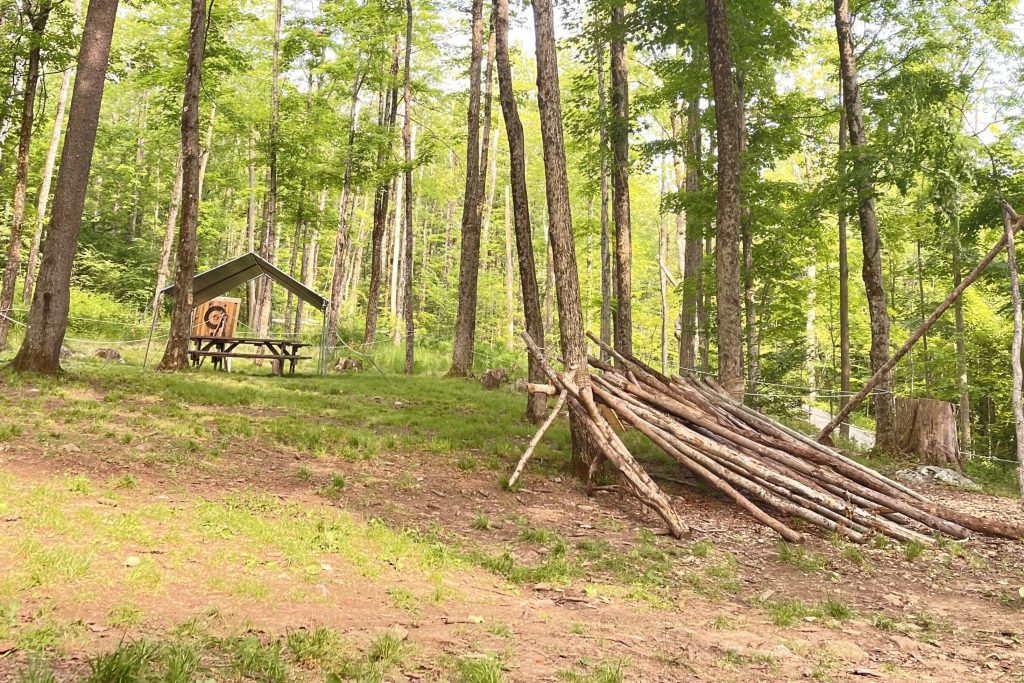
The Wilderness Survival merit badge challenges Scouts to build real outdoor skills while learning how to stay safe in unpredictable situations. This post explores what the badge covers, who can take it, and how the 2026 program at Camp Sequassen helps Scouts grow their confidence in the outdoors. It also highlights the importance of safety and preparation, two themes that guide every requirement in the badge. Understanding What the Badge Teaches Scouts The Wilderness Survival merit badge focuses on helping Scouts learn how to stay safe when they are away from established campsites or support. Scouts study survival priorities, signaling methods, emergency shelters, and ways to stay calm under pressure. These lessons help them understand how to make smart decisions when conditions change quickly. Survival Skills and Self-Confidence in the Outdoors Wilderness Survival teaches Scouts how to rely on their knowledge and judgment. They learn how to build shelters using natural materials, how to find safe drinking water, and how to protect themselves from weather. These skills help Scouts feel more confident when they explore the outdoors. The badge also encourages teamwork. Even though survival situations often focus on individual skills, Scouts practice communicating clearly and supporting one another. This teamwork helps them stay calm and focused, especially when they face new challenges. Details for the Wilderness Survival Merit Badge in 2026 In 2026, the Wilderness Survival merit badge will be taught in the Scoutcraft Area at 10AM and 11AM. Because this badge requires hands‑on practice, Scouts should expect to spend time outside the regular class period completing certain requirements. Building a survival shelter, for example, often takes extra time and effort. This badge is open to Scouts entering Grade 8 or higher in the upcoming fall. The age guideline ensures that participants have the maturity and physical ability needed for the more demanding parts of the badge. Staff members guide Scouts through each requirement and help them stay safe while they learn. Requirement 4 is a prerequisite and Scouts must complete this badge before arriving at camp in order to complete the badge. Safety as the Foundation of Wilderness Survival Safety is the most important part of the Wilderness Survival merit badge. Scouts learn how to avoid dangerous situations by planning ahead, staying aware of their surroundings, and making smart choices. Instructors emphasize that survival skills are not about taking risks—they are about reducing them. During the program, Scouts practice skills in controlled settings with trained staff nearby. They learn how to use tools responsibly, how to stay warm and dry, and how to signal for help if needed. These lessons help Scouts understand that preparation and caution are the keys to staying safe outdoors. Tips for Scouts Starting Wilderness Survival Scouts taking this badge for the first time can benefit from a few simple tips. Bringing a notebook helps them keep track of skills and ideas. Asking questions during class makes the lessons clearer and easier to remember. Practicing knots, fire‑building techniques, and shelter‑building methods outside of class also helps Scouts feel more prepared. Most importantly, Scouts should approach the badge with patience. Wilderness skills take time to learn, and each requirement builds on the last. With steady effort, Scouts gain confidence and discover how capable they can be in the outdoors. Check the Leader’s Guide for the most updated merit badge and program information. Register for camp and learn more at the links below: Registration Scoutcraft Area March 12, 2026 9:48 AM Recent Posts Experience the Thrill of Night Climbing at Camp Sequassen Eagle Scout-Required Merit Badges You Can Earn at Camp Sequassen Set Sail and Succeed with Small Boat Sailing Everything You Should Know About the Fire Hose Competition Camp Sequassen Address 791 West Hill RoadNew Hartford, CT 06057 Directions Email Us camp.sequassen@ctyankee.org Phone (860) 379-2009
Set Sail and Succeed with Small Boat Sailing
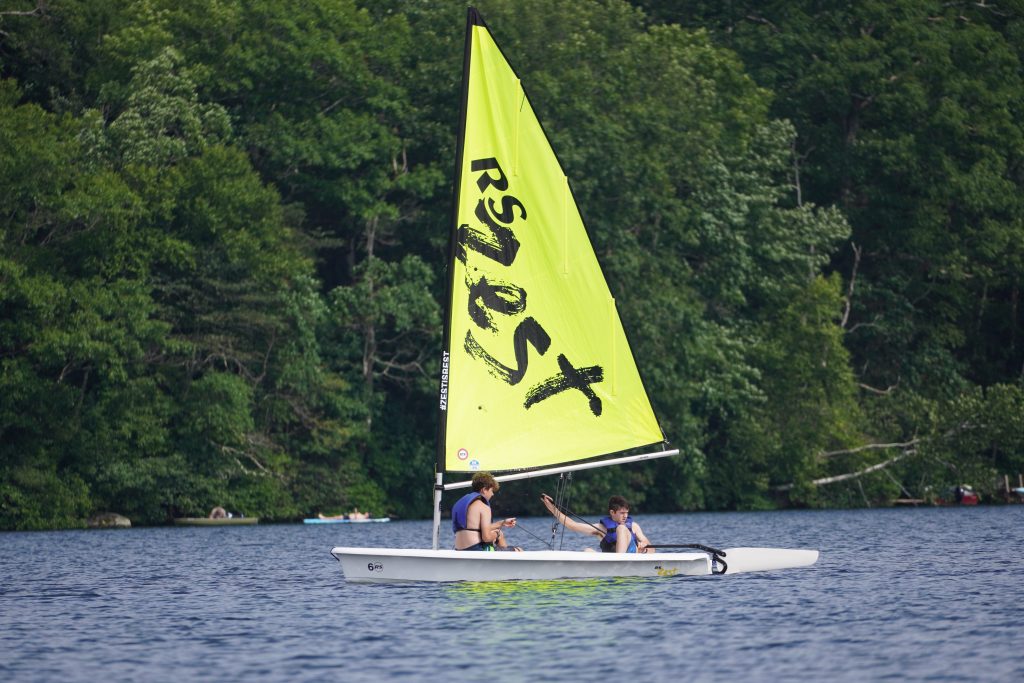
The Small Boat Sailing merit badge is one of the most exciting aquatics opportunities offered at Camp Sequassen. Scouts spend meaningful time on the water learning real sailing skills, practicing hands‑on techniques, and building confidence as they navigate West Hill Pond. Because this badge is taught in extended sessions and requires active participation, Scouts can complete all requirements during their week at camp as long as they meet the swimming classification and age guidelines for the 2026 season. Why Small Boat Sailing Stands Out at Camp Small Boat Sailing is a favorite among older Scouts because it blends adventure, skill‑building, and independence. The badge is taught in the Aquatics Area, where experienced staff guide Scouts through each step of the learning process. Since sailing requires coordination and quick decision‑making, every session feels active and engaging. Many Scouts say the badge becomes a highlight of their week because it offers a unique challenge and a chance to try something new. The program also encourages teamwork. Scouts often help each other rig boats, adjust sails, or understand wind patterns. These shared moments create strong memories and build confidence both on and off the water. Understanding the 2026 Schedule and Requirements For the 2026 summer camp season, Small Boat Sailing is offered in two‑hour blocks: 10:00 AM to 12:00 PM and 2:00 PM to 4:00 PM Because it is a two‑hour merit badge, Scouts should plan their schedules carefully to avoid conflicts with other activities. The extended time on the water is essential for mastering the skills needed to complete the badge. There are no prerequisites, but Scouts must be classified as blue swimmers before participating. This ensures they are strong and confident enough in the water to safely handle the sailing exercises. Additionally, this merit badge is designed for Scouts entering grade 8 or higher in fall 2026. Once these requirements are met, Scouts can complete the entire badge within their week at camp. What Scouts Learn Throughout the Sailing Week During the course, Scouts learn how to rig and launch a small sailboat, read the wind, and maneuver effectively. They also practice essential safety skills, including capsize procedures and proper rescue techniques. These lessons help Scouts understand how to respond to changing conditions on the water. As the week progresses, Scouts spend more time sailing independently. They apply what they’ve learned by navigating around the pond, adjusting their sails, and working with the wind. This hands‑on approach builds real sailing ability and gives Scouts a sense of accomplishment. How This Badge Builds Confidence and Skill Small Boat Sailing is more than a merit badge. It teaches problem‑solving, patience, and resilience. Scouts learn to trust their instincts and adapt to new situations. The sense of freedom that comes from controlling a sailboat is unforgettable, and many Scouts return in future years to continue improving their skills. By the end of the week, participants gain confidence, independence, and a lifelong appreciation for sailing. It’s no surprise that this badge remains one of the most popular choices at Camp Sequassen. Check the Leader’s Guide for the most updated merit badge and program information. Register for camp and learn more at the links below: Registration Aquatics Area February 26, 2026 9:36 AM Recent Posts What’s New in 2026? Merit Badge Spotlight: Automotive Maintenance A Recap of the 2026 Summer Camp Kickoff Get Ready for the 2026 Camp Sequassen Summer Camp Kickoff Camp Sequassen Address 791 West Hill RoadNew Hartford, CT 06057 Directions Email Us camp.sequassen@ctyankee.org Phone (860) 379-2009
Rev Up Your Skills with Automotive Maintenance Merit Badge
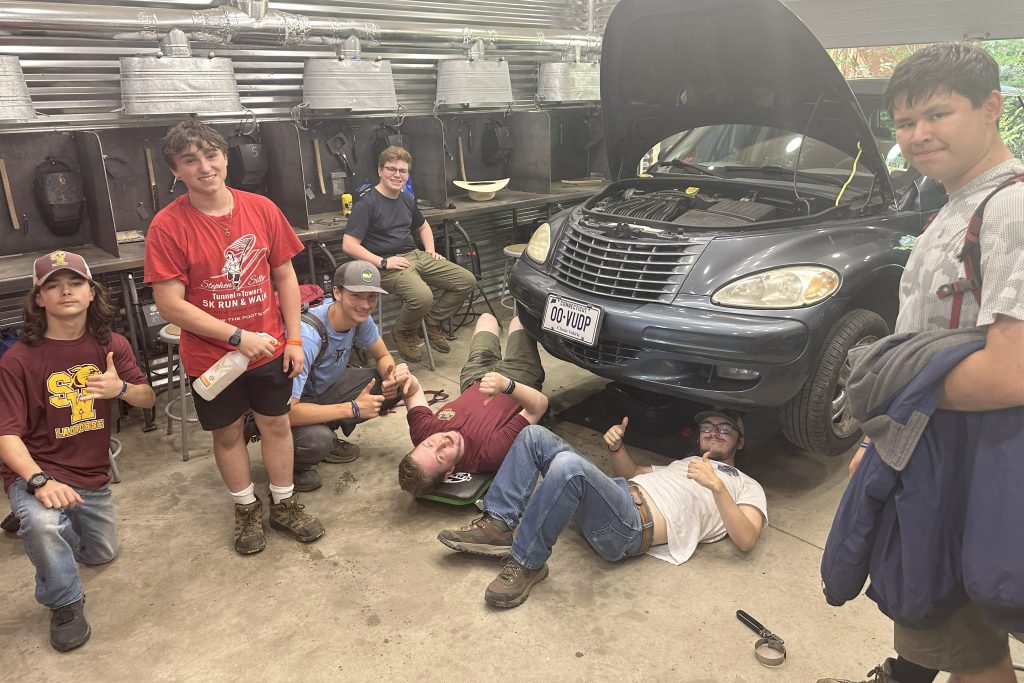
The Automotive Maintenance merit badge at Camp Sequassen offers Scouts a hands-on experience in essential vehicle maintenance skills. Part of the camp’s STEM and Trade area in North Sequassen, this badge involves practical, real-world learning. Due to material complexity, it is only open to Scouts entering grade 9 or higher in Fall 2026. Essential Vehicle Checks: Safety, Fluids, and Tires A major focus of the week is learning the routine inspections every vehicle owner should perform. Scouts dive into understanding how to check and top off critical fluids, including oil, coolant, brake fluid, and windshield washer fluid. We’ll cover the different types and what each color signifies. Tire maintenance is another cornerstone; you’ll learn how to properly check tire pressure, understand tread wear patterns, and even practice the steps involved in changing a flat tire safely. This section emphasizes the crucial link between maintenance and road safety. Understanding the Engine’s Basic Functional Components What makes the engine go? This section demystifies the basic components under the hood. Instructors lead Scouts through identifying parts like the air filter, battery, spark plugs, and various belts and hoses. You’ll learn the function of each component and recognize the signs of potential failure. The instruction often involves working with training aids and demonstration vehicles, allowing for an unobstructed view of the engine’s layout and operation. Simple Troubleshooting Techniques for Common Problems Automotive issues don’t always require a mechanic. Scouts will learn basic troubleshooting—what to do when the check engine light comes on, the car won’t start, or a fuse blows. We cover how to safely inspect fuses, jump-start a dead battery using correct procedures, and diagnose minor electrical issues. The goal is to equip Scouts with the confidence to handle small problems themselves and know when it’s time to call a professional. Important Tool Identification and Safe Shop Practices Safety is paramount when working with vehicles. A significant portion of the badge focuses on proper tool identification and usage, from wrenches and sockets to torque specifications. Scouts are drilled on safe shop practices, including proper lifting techniques, eye protection, and managing chemical spills. Understanding the right tool for the job prevents damage and ensures safety, a foundational concept for any trade. Complete the Badge During Your Week at Camp One of the best features of this badge at Camp Sequassen is that there are no prerequisites. We’ve structured the curriculum so that any eligible Scout can begin the week with no prior knowledge and successfully complete all requirements during their single week at camp. Our dedicated, expert counselors provide the instruction, equipment, and guidance needed to ensure a fulfilling and achievable experience. Check the Leader’s Guide for the most updated merit badge and program information. Register for camp and learn more at the links below: Registration STEM and Trades Area February 12, 2026 10:38 AM Recent Posts What’s New in 2026? Merit Badge Spotlight: Automotive Maintenance A Recap of the 2026 Summer Camp Kickoff Get Ready for the 2026 Camp Sequassen Summer Camp Kickoff Camp Sequassen Address 791 West Hill RoadNew Hartford, CT 06057 Directions Email Us camp.sequassen@ctyankee.org Phone (860) 379-2009