

Bug Wall at Camp Sequassen Brings Nature and Fun Together
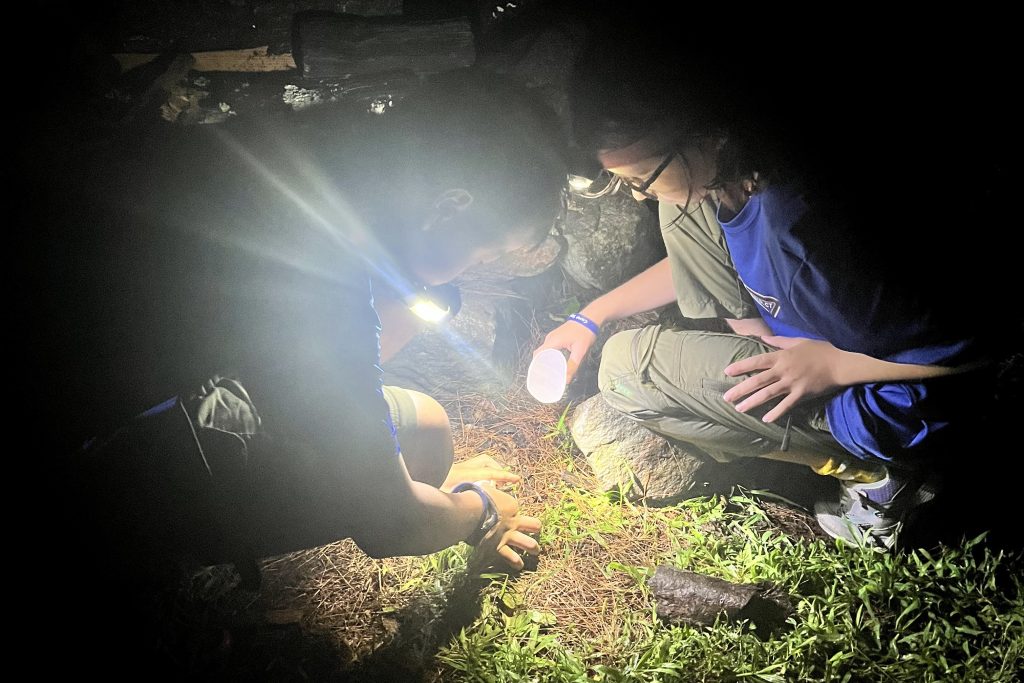
The Bug Wall activity at Camp Sequassen is one of the most unique nighttime activities offered during the summer. This lively program blends nature, music, and hands‑on exploration into an evening Scouts look forward to all week. In this post, you’ll learn what the Bug Wall is, how it works in 2026, and why it has become a favorite for campers who enjoy both the outdoors and a good time with friends. What the Bug Wall Experience Is All About Bug Wall gives Scouts the chance to explore the world of insects in a fun and engaging way. The activity combines a bug scavenger hunt with an open house in the Ecology Area, where Scouts can view live animals and learn more about the creatures that call camp home. The experience is designed to spark curiosity while keeping the atmosphere upbeat and exciting. Because the program takes place at night, Scouts get to see insects that are more active after dark. This adds a sense of discovery and adventure, making the activity feel different from anything else offered during the day. Bug Wall Schedule and 2026 Program Details In 2026, Bug Wall will take place in the Ecology Area on Mondays at 9PM. The late‑evening timing adds to the atmosphere, giving Scouts a chance to explore under the glow of camp lights while enjoying cooler temperatures. The mix of music, games, and nighttime exploration creates a memorable start to the week. Scouts can move around at their own pace. Some spend extra time searching for insects, while others enjoy observing the animals on display. The flexible structure makes the activity welcoming for Scouts of all ages and interests. Music, Movement, and the Bug Wall Dance Party One of the most exciting parts of Bug Wall is the dance‑party atmosphere. Music plays throughout the Ecology Area, giving Scouts a chance to dance, laugh, and enjoy time with friends. The upbeat soundtrack keeps the energy high and helps create a fun environment where everyone feels included. The combination of music and exploration makes the Bug Wall feel like a celebration of nature. Scouts can search for insects one moment and dance with their troop the next, creating a lively mix of learning and fun. How Bug Wall Encourages Curiosity and Discovery Bug Wall encourages Scouts to look closely at the natural world. During the scavenger hunt, they search for insects with unique colors, shapes, or sounds. Staff members help identify species and share interesting facts, turning each discovery into a learning moment. This hands‑on approach helps Scouts appreciate the diversity of life around them. Even those who aren’t usually interested in insects often find themselves drawn into the excitement of the hunt. Why Bug Wall Is a Camp Favorite This evening activity stands out because it blends education, entertainment, and community. Scouts get to explore nature, enjoy music, and spend time with friends—all in one activity. The relaxed, playful atmosphere makes it easy for everyone to join in, whether they’re searching for bugs or dancing to the latest tunes. For many Scouts, the Bug Wall becomes one of the most memorable parts of their week at camp. Check the Leader’s Guide for the most updated merit badge and program information. Register for camp and learn more at the links below: Registration Ecology Area April 16, 2026 9:45 AM Recent Posts Discover What Makes Camp Sequassen Special Learn Outdoor Skills with the Wilderness Survival Merit Badge Experience the Thrill of Night Climbing at Camp Sequassen Eagle Scout-Required Merit Badges You Can Earn at Camp Sequassen Camp Sequassen Address 791 West Hill RoadNew Hartford, CT 06057 Directions Email Us camp.sequassen@ctyankee.org Phone (860) 379-2009
Build Your Outdoor Skills with Pioneering Merit Badge
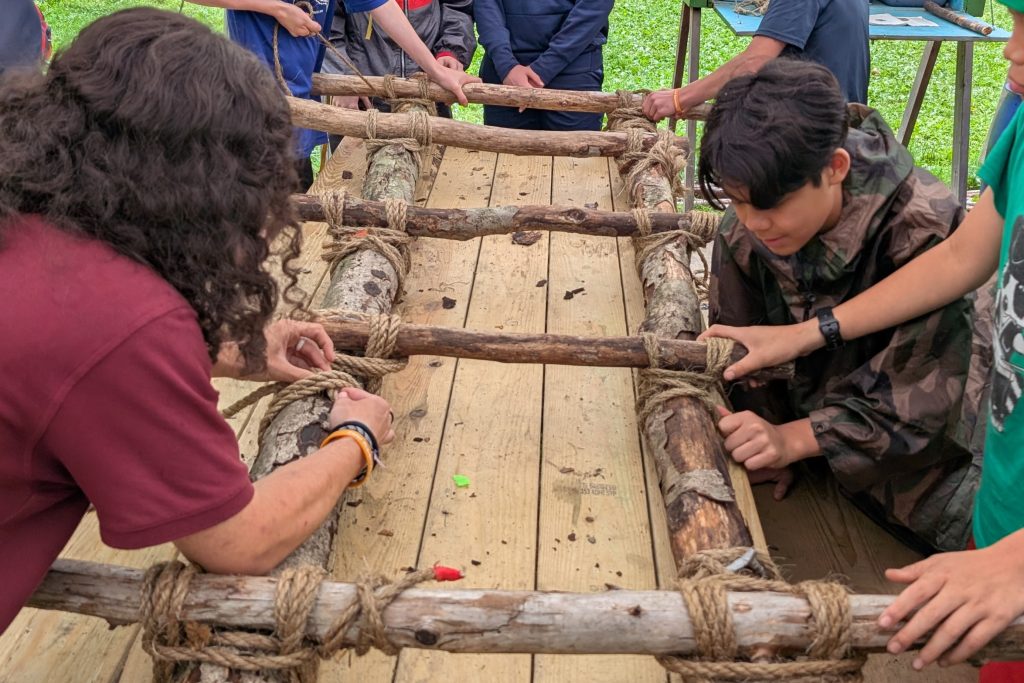
The Pioneering Merit Badge at Camp Sequassen gives Scouts the chance to build practical outdoor skills through hands‑on projects, knot work, and teamwork. This badge challenges participants to think creatively, work carefully, and apply classic Scoutcraft techniques in real situations. In this post, you’ll learn what the badge covers, how the 2026 schedule works, and why it’s best suited for older Scouts who are ready for a rewarding challenge. What the Pioneering Merit Badge Teaches Scouts The Pioneering Merit Badge focuses on ropework, lashings, and building structures using natural materials. Scouts learn essential knots, explore the physics behind rope strength, and practice safe tool use. They also complete pioneering projects such as bridges, towers, or camp gadgets, all of which require careful planning and teamwork. Because the badge emphasizes practical skills, Scouts spend much of their time working with their hands. They learn how to select materials, tie secure lashings, and test their structures for stability. These experiences help them understand how traditional Scoutcraft techniques can be used in real outdoor settings. Pioneering Merit Badge Schedule and 2026 Details In 2026, the Pioneering Merit Badge will be taught in the Scoutcraft Area at 2PM. There are no prerequisites, which means Scouts can complete the entire badge during their week at camp. However, the badge is not recommended for first‑year Scouts. Experience has shown that younger participants often struggle to finish all the requirements due to the complexity and physical effort involved. Older Scouts, on the other hand, tend to thrive. They bring the maturity, patience, and strength needed to complete larger projects and understand the concepts behind them. Signing up for this badge gives them a chance to take on a meaningful challenge that builds confidence and leadership. Why the Pioneering Merit Badge Suits Older Scouts The Pioneering Merit Badge requires problem‑solving, teamwork, and attention to detail. Older Scouts are better prepared for these expectations, and they often enjoy the independence that comes with building real structures. The badge encourages them to think through each step, communicate clearly, and take responsibility for their work. These skills carry over into other parts of camp life. Scouts who complete the badge often feel more capable during high‑adventure activities, troop leadership roles, and future outdoor experiences. The sense of accomplishment that comes from building something sturdy and functional is a highlight of the week. Hands‑On Projects That Bring Skills to Life One of the most exciting parts of the Pioneering Merit Badge is the chance to build something real. Scouts work together to create structures that must support weight, withstand movement, or serve a practical purpose. These projects help them see how knots and lashings come together to form strong, reliable designs. The hands‑on nature of the badge keeps Scouts engaged and active. Each project becomes a shared experience that strengthens friendships and builds teamwork. By the end of the week, participants walk away with new skills and a deeper appreciation for traditional Scoutcraft. Check the Leader’s Guide for the most updated merit badge and program information. Register for camp and learn more at the links below: Registration Scoutcraft Area April 9, 2026 9:40 AM Recent Posts Discover What Makes Camp Sequassen Special Learn Outdoor Skills with the Wilderness Survival Merit Badge Experience the Thrill of Night Climbing at Camp Sequassen Eagle Scout-Required Merit Badges You Can Earn at Camp Sequassen Camp Sequassen Address 791 West Hill RoadNew Hartford, CT 06057 Directions Email Us camp.sequassen@ctyankee.org Phone (860) 379-2009
Ride and Race Through the BMX Course at Camp Sequassen
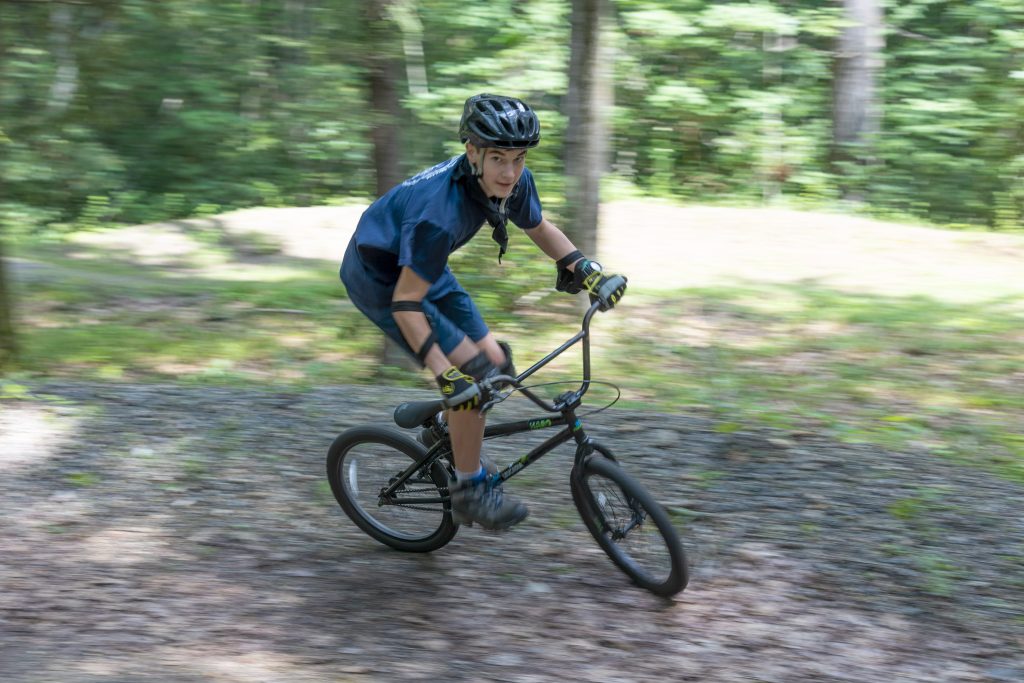
The BMX Course at Camp Sequassen gives Scouts a thrilling way to test their balance, control, and confidence on two wheels. This evening program blends skill‑building with pure fun, offering a rolling track filled with bumps, curves, and optional timed runs. In this post, you’ll learn what the course is like, how the 2026 schedule works, and why Scouts of all experience levels look forward to riding it each summer. What the BMX Course Experience Is Like The BMX Course challenges Scouts to navigate a series of small hills, dips, and turns designed to improve bike handling skills. Riders quickly learn that staying balanced requires focus, steady movement, and awareness of the terrain. The course is exciting without being overwhelming, making it a great fit for both beginners and experienced riders. Scouts can choose how they want to participate. Some prefer to ride casually and enjoy the flow of the track, while others push themselves to improve their speed and technique. No matter the approach, the course encourages Scouts to stay active, try new things, and have fun outdoors. BMX Course Schedule and 2026 Program Details In 2026, the BMX Course will run in the Challenge Area on Tuesdays and Thursdays from 7–8PM. Because the program is open to all riders, Scouts can drop in on either night to participate. Long‑sleeved shirts and long pants are recommended to help protect against scrapes while riding. Scouts also have the option to be timed around the track. This adds a friendly competitive element and gives riders a chance to see how their skills improve throughout the week. Whether they’re racing the clock or cruising at their own pace, every Scout gets a chance to shine. How the BMX Course Builds Skills and Confidence Riding the BMX Course helps Scouts develop balance, coordination, and quick decision‑making. The bumps and curves require riders to shift their weight, adjust their speed, and stay aware of the track ahead. These skills translate well to other outdoor activities and help Scouts feel more confident in their physical abilities. The course also encourages resilience. A wobble or misstep becomes a learning moment, and each lap gives Scouts a chance to improve. Over time, riders often notice that they feel steadier, more controlled, and more comfortable pushing themselves. Safety Practices That Keep Riders Protected Safety is a top priority on the BMX Course. Staff members supervise the track, guide riders through proper techniques, and ensure helmets are worn at all times. They also help Scouts understand how to ride safely around others and how to navigate the course at a comfortable pace. Because the program takes place in the evening, conditions are cooler and visibility is clear. Staff remain attentive throughout the session, creating an environment where Scouts can challenge themselves while staying safe. Why the BMX Course Is a Camp Favorite The BMX Course stands out because it blends excitement with skill‑building in a way that feels accessible to everyone. Scouts can ride with friends, cheer each other on, and enjoy a program that feels different from anything else at camp. The mix of movement, challenge, and fun makes it a highlight of the week for many riders. Check the Leader’s Guide for the most updated program information. Register for camp and learn more at the links below: Registration Challenge Area April 2, 2026 9:23 AM Recent Posts Experience the Thrill of Night Climbing at Camp Sequassen Eagle Scout-Required Merit Badges You Can Earn at Camp Sequassen Set Sail and Succeed with Small Boat Sailing Everything You Should Know About the Fire Hose Competition Camp Sequassen Address 791 West Hill RoadNew Hartford, CT 06057 Directions Email Us camp.sequassen@ctyankee.org Phone (860) 379-2009
Learn Outdoor Skills with the Wilderness Survival Merit Badge
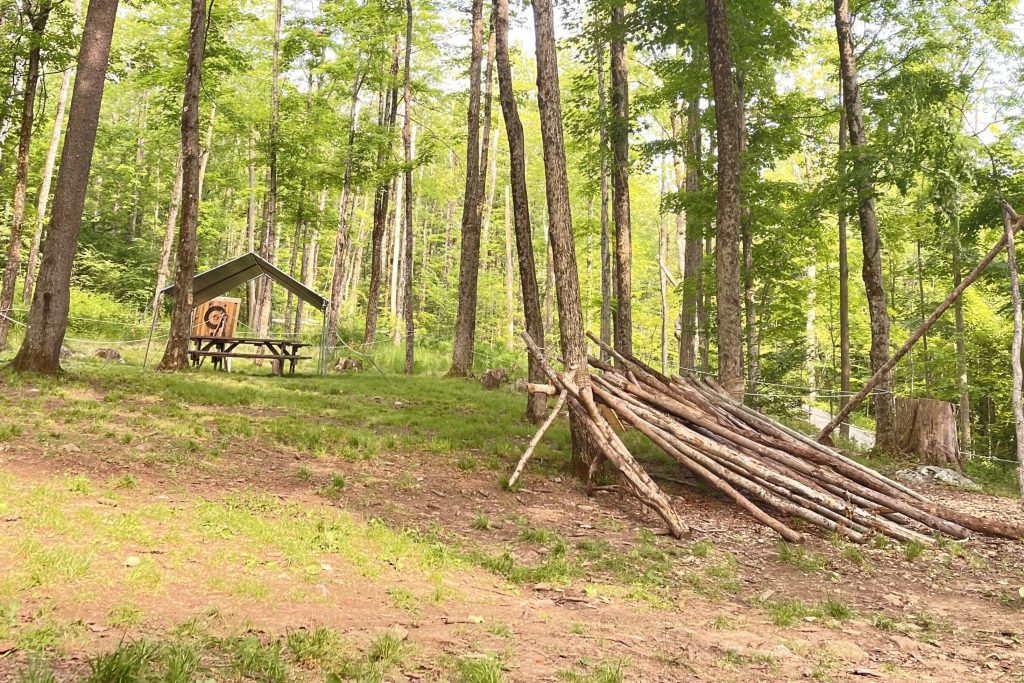
The Wilderness Survival merit badge challenges Scouts to build real outdoor skills while learning how to stay safe in unpredictable situations. This post explores what the badge covers, who can take it, and how the 2026 program at Camp Sequassen helps Scouts grow their confidence in the outdoors. It also highlights the importance of safety and preparation, two themes that guide every requirement in the badge. Understanding What the Badge Teaches Scouts The Wilderness Survival merit badge focuses on helping Scouts learn how to stay safe when they are away from established campsites or support. Scouts study survival priorities, signaling methods, emergency shelters, and ways to stay calm under pressure. These lessons help them understand how to make smart decisions when conditions change quickly. Survival Skills and Self-Confidence in the Outdoors Wilderness Survival teaches Scouts how to rely on their knowledge and judgment. They learn how to build shelters using natural materials, how to find safe drinking water, and how to protect themselves from weather. These skills help Scouts feel more confident when they explore the outdoors. The badge also encourages teamwork. Even though survival situations often focus on individual skills, Scouts practice communicating clearly and supporting one another. This teamwork helps them stay calm and focused, especially when they face new challenges. Details for the Wilderness Survival Merit Badge in 2026 In 2026, the Wilderness Survival merit badge will be taught in the Scoutcraft Area at 10AM and 11AM. Because this badge requires hands‑on practice, Scouts should expect to spend time outside the regular class period completing certain requirements. Building a survival shelter, for example, often takes extra time and effort. This badge is open to Scouts entering Grade 8 or higher in the upcoming fall. The age guideline ensures that participants have the maturity and physical ability needed for the more demanding parts of the badge. Staff members guide Scouts through each requirement and help them stay safe while they learn. Requirement 4 is a prerequisite and Scouts must complete this badge before arriving at camp in order to complete the badge. Safety as the Foundation of Wilderness Survival Safety is the most important part of the Wilderness Survival merit badge. Scouts learn how to avoid dangerous situations by planning ahead, staying aware of their surroundings, and making smart choices. Instructors emphasize that survival skills are not about taking risks—they are about reducing them. During the program, Scouts practice skills in controlled settings with trained staff nearby. They learn how to use tools responsibly, how to stay warm and dry, and how to signal for help if needed. These lessons help Scouts understand that preparation and caution are the keys to staying safe outdoors. Tips for Scouts Starting Wilderness Survival Scouts taking this badge for the first time can benefit from a few simple tips. Bringing a notebook helps them keep track of skills and ideas. Asking questions during class makes the lessons clearer and easier to remember. Practicing knots, fire‑building techniques, and shelter‑building methods outside of class also helps Scouts feel more prepared. Most importantly, Scouts should approach the badge with patience. Wilderness skills take time to learn, and each requirement builds on the last. With steady effort, Scouts gain confidence and discover how capable they can be in the outdoors. Check the Leader’s Guide for the most updated merit badge and program information. Register for camp and learn more at the links below: Registration Scoutcraft Area March 12, 2026 9:48 AM Recent Posts Experience the Thrill of Night Climbing at Camp Sequassen Eagle Scout-Required Merit Badges You Can Earn at Camp Sequassen Set Sail and Succeed with Small Boat Sailing Everything You Should Know About the Fire Hose Competition Camp Sequassen Address 791 West Hill RoadNew Hartford, CT 06057 Directions Email Us camp.sequassen@ctyankee.org Phone (860) 379-2009
Experience the Thrill of Night Climbing at Camp Sequassen
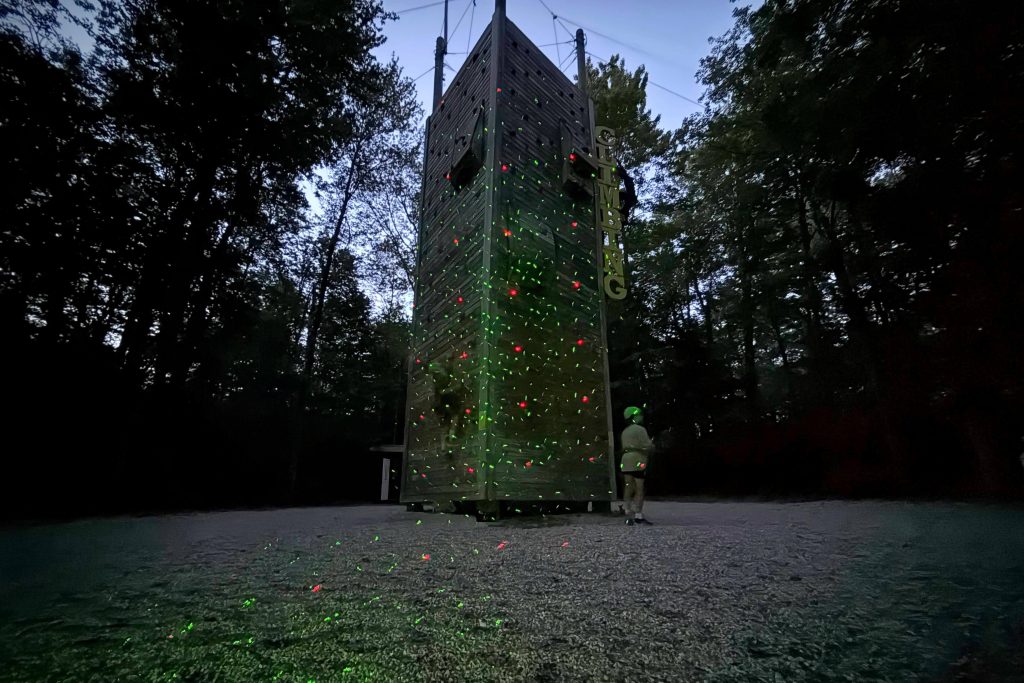
Night Climbing at Camp Sequassen turns the familiar climbing tower into a nighttime adventure filled with energy, color, and excitement. Scouts climb in a darker setting which creates an atmosphere that feels completely different from a daytime session. This post explores what Night Climbing is, how it works in 2026, the safety measures taken, and why it has become one of the most talked‑about open program activities at camp. A Unique Climbing Experience After Dark Night Climbing gives Scouts the chance to climb the tower after dark, when the camp feels quieter and the air is cooler. Laser lights illuminate the wall in shifting colors, making each route look fresh and new. Music adds to the energy and helps Scouts stay motivated as they climb. The combination of lights, sound, and nighttime atmosphere makes the experience feel like a special event rather than a regular program block. Many Scouts say Night Climbing becomes one of their favorite memories of the week. It offers a break from the daytime schedule while still giving them a chance to stay active and challenge themselves. Building Skills and Confidence Through Night Climbing Climbing at night helps Scouts develop confidence in a new way. The lighting highlights the holds without revealing every detail of the wall, which can make the climb feel less intimidating. Scouts learn to trust their training, communicate clearly with their belayers, and stay focused as they move from one hold to the next. These skills transfer to other parts of camp life. The patience, teamwork, and problem‑solving required on the wall often help Scouts feel more capable during other activities, from high‑adventure elements to leadership roles in their troop. Details for the 2026 Night Climbing Program Night Climbing is part of the Challenge Area and will be offered on Tuesdays at 8:30PM during the 2026 summer season. Scouts are invited to scale the climbing tower like they’ve never seen before! Laser lights, music, and a supportive environment make the evening feel exciting without losing the structure and safety that the Challenge Area is known for. Scouts can drop in without signing up ahead of time, but it is recommended they arrive early as this program is popular and fills up fast! Safety Measures That Support Every Climber Safety is always the top priority at the climbing tower, and Night Climbing is no exception. Staff members inspect equipment, manage belays, and guide Scouts through each step of the process. The laser lights illuminate the wall without interfering with visibility, and the staff ensures that the environment stays controlled and comfortable. Clear communication is encouraged throughout the climb, helping Scouts feel supported from the moment they clip in until they reach the ground again. Tips for Trying Night Climbing for the First Time Scouts who are new to climbing—or who feel a little nervous—can still enjoy Night Climbing. Starting with an easier route helps the wall feel more approachable. Focusing on one move at a time keeps the climb manageable, and talking with the Challenge Area staff can ease any concerns about gear or technique. Bringing a friend to cheer from the ground can also boost confidence. With each attempt, Scouts usually notice their comfort growing, and many are surprised by how far they can climb once they get started. Check the Leader’s Guide for the most updated merit badge and program information. Register for camp and learn more at the links below: Registration Challenge Area March 5, 2026 9:08 PM Recent Posts Set Sail and Succeed with Small Boat Sailing Everything You Should Know About the Fire Hose Competition Discover Your Perfect Cabin Getaway at Camp Sequassen What’s New in 2026? Camp Sequassen Address 791 West Hill RoadNew Hartford, CT 06057 Directions Email Us camp.sequassen@ctyankee.org Phone (860) 379-2009