

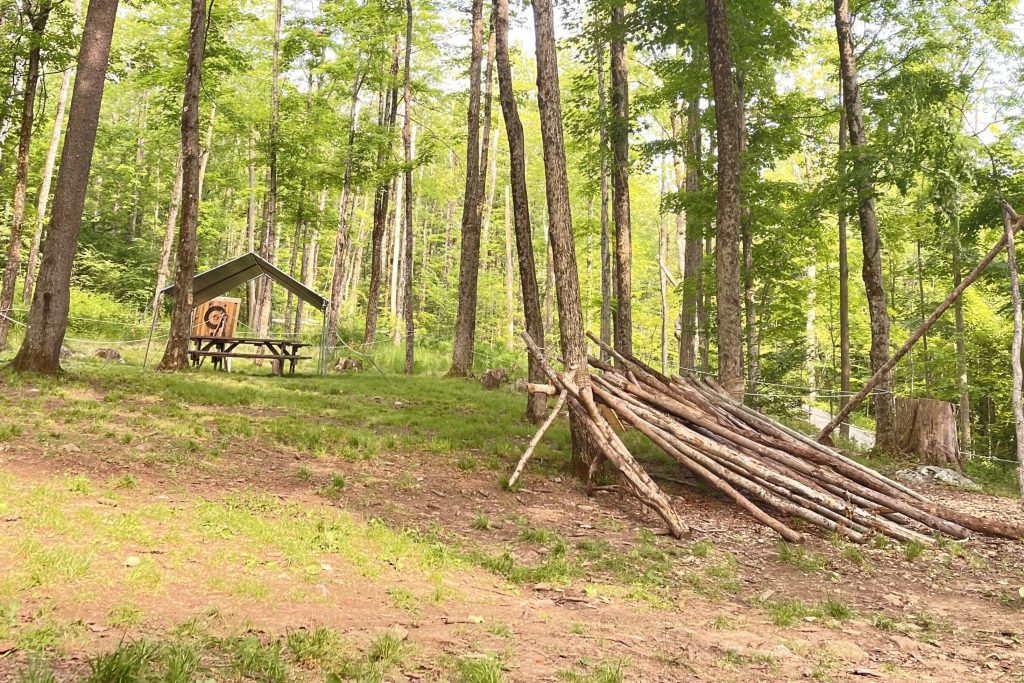
The Wilderness Survival merit badge challenges Scouts to build real outdoor skills while learning how to stay safe in unpredictable situations. This post explores what the badge covers, who can take it, and how the 2026 program at Camp Sequassen helps Scouts grow their confidence in the outdoors. It also highlights the importance of safety and preparation, two themes that guide every requirement in the badge.
Understanding What the Badge Teaches Scouts
The Wilderness Survival merit badge focuses on helping Scouts learn how to stay safe when they are away from established campsites or support. Scouts study survival priorities, signaling methods, emergency shelters, and ways to stay calm under pressure. These lessons help them understand how to make smart decisions when conditions change quickly.
Survival Skills and Self-Confidence in the Outdoors
Wilderness Survival teaches Scouts how to rely on their knowledge and judgment. They learn how to build shelters using natural materials, how to find safe drinking water, and how to protect themselves from weather. These skills help Scouts feel more confident when they explore the outdoors.
The badge also encourages teamwork. Even though survival situations often focus on individual skills, Scouts practice communicating clearly and supporting one another. This teamwork helps them stay calm and focused, especially when they face new challenges.
Details for the Wilderness Survival Merit Badge in 2026
In 2026, the Wilderness Survival merit badge will be taught in the Scoutcraft Area at 10AM and 11AM. Because this badge requires hands‑on practice, Scouts should expect to spend time outside the regular class period completing certain requirements. Building a survival shelter, for example, often takes extra time and effort.
This badge is open to Scouts entering Grade 8 or higher in the upcoming fall. The age guideline ensures that participants have the maturity and physical ability needed for the more demanding parts of the badge. Staff members guide Scouts through each requirement and help them stay safe while they learn. Requirement 4 is a prerequisite and Scouts must complete this badge before arriving at camp in order to complete the badge.
Safety as the Foundation of Wilderness Survival
Safety is the most important part of the Wilderness Survival merit badge. Scouts learn how to avoid dangerous situations by planning ahead, staying aware of their surroundings, and making smart choices. Instructors emphasize that survival skills are not about taking risks—they are about reducing them.
During the program, Scouts practice skills in controlled settings with trained staff nearby. They learn how to use tools responsibly, how to stay warm and dry, and how to signal for help if needed. These lessons help Scouts understand that preparation and caution are the keys to staying safe outdoors.
Tips for Scouts Starting Wilderness Survival
Scouts taking this badge for the first time can benefit from a few simple tips. Bringing a notebook helps them keep track of skills and ideas. Asking questions during class makes the lessons clearer and easier to remember. Practicing knots, fire‑building techniques, and shelter‑building methods outside of class also helps Scouts feel more prepared.
Most importantly, Scouts should approach the badge with patience. Wilderness skills take time to learn, and each requirement builds on the last. With steady effort, Scouts gain confidence and discover how capable they can be in the outdoors.
Check the Leader’s Guide for the most updated merit badge and program information. Register for camp and learn more at the links below:
- March 12, 2026
- 9:48 AM
Camp Sequassen
Address
791 West Hill Road
New Hartford, CT 06057
Email Us
camp.sequassen@ctyankee.org
Phone
(860) 379-2009